
Locksmith Services
A locksmith at a house or an apartment works on a small set of parts: the cylinder the key turns, the pins inside it, the latch and bolt it moves, the strike plate in the frame, and the key itself. Almost every call comes back to one of those.
Lockouts, Rekeys, Repairs and Keys
Springwells Locksmith sorts that work into four lines for homes and apartments. Each has its own page with the signs to look for, how the job usually goes and the questions people ask before they call.
-
Home Lockouts
Back inside your house or apartment when the key is lost, snapped or locked in.
Front and back doors, apartment entries, jammed locks
-
Rekeying
New pins in the lock you have, so old keys stop working.
New homes, lost keys, tenant turnovers, one key for all doors
-
Lock Repair and Replacement
Stiff, loose or damaged locks fixed, or swapped for new hardware.
Deadbolts, knob locks, handle sets, smart locks
-
Keys and Duplicates
Spare keys cut, worn keys copied and lost keys replaced.
House keys, restricted keys, car keys and transponders
Match the Situation to the Work
Find the line closest to what is happening at your door. The link in the last column leads to the service that usually handles it.
| Your situation | Service to look at | Page |
|---|---|---|
| Locked out, key inside or lost | Getting back in without damaging the door, then deciding whether to rekey | Home Lockouts |
| Just moved in, or a key went missing | New pins in the existing cylinders so old keys stop working | Rekeying |
| Tenant moved out of a rental unit | A lock change between tenants, most often by rekeying | Rekeying |
| Key turns hard, lock wobbles, bolt will not throw | Adjustment, repair or a new lock if the parts are worn out | Lock Repair and Replacement |
| No deadbolt on an outside door | Deadbolt installation, with a strike set into the frame | Lock Repair and Replacement |
| Down to one key, or a key that sticks | Copies cut from a good original, or a new key made for the lock | Keys and Duplicates |
Landlords, Storefronts and Drivers
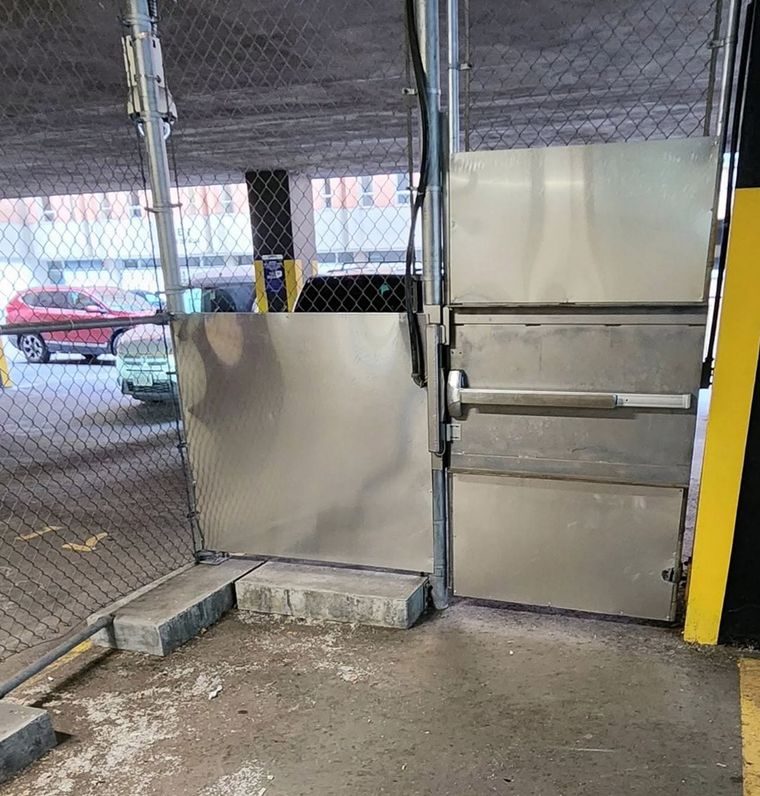
The same trade skills reach past the front door of a house. A landlord or property manager with a tenant moving out needs the locks changed before the next lease, which usually means rekeying each unit’s cylinders so the last tenant’s keys are dead the day the new lease starts.
Storefront and office owners call for commercial lock changes, for panic bars and exit devices on the doors people leave through, and for master key systems that let a single key reach every door the owner needs. Storefronts, offices and shared garages all run on that kind of hardware.
Drivers are covered as well: car lockouts, spare car keys and the chip programming a modern car key needs. Spare and chipped car keys are covered with the rest of the key work under keys and duplicates.
Rekey, Repair or Replace
Most homeowners weigh the same three choices, and the right one depends on two questions: is the lock still sound, and who has a key to it? A sound lock with too many keys out gets rekeyed. A lock that sticks or sags gets looked at for repair first. A lock that is broken, badly worn or the wrong type for the door gets replaced. Not sure which side your lock falls on? The signs and symptoms guide matches what you notice to a likely cause and an urgency.
Should I rekey my locks or replace them?
Rekey when the locks work well and the only problem is who holds a key. The cylinder gets new pins, the old keys stop turning it, and the hardware on the door stays put.
Replace when the lock itself is the problem: a bolt that no longer throws, trim that will not stay tight, a cylinder that was drilled or wrenched, or hardware worn past adjusting. Replacement is also the answer when you want a different kind of lock, such as a deadbolt where there was only a knob, or a keypad lock.
Is rekeying cheaper than new locks?
Rekeying usually costs less than buying and fitting new hardware, because the lock body, the bolt and the trim are reused and only the pins and keys change. The shop quotes each job on its own, so ask on the phone about the doors you have.
Can some doors be rekeyed and others replaced in the same visit?
Yes. A front door with a tired knob lock might get a new deadbolt and handle set, while the side and back doors are rekeyed so every lock in the house runs on the same new key, as long as the cylinders share a keyway.
What if I am not sure which service I need?
Describe what the lock is doing when you call: sticking, spinning, refusing the key or not latching. Those few words usually point to the right work before anyone reaches the door.