
Rekeying
Rekeying puts new pins in the locks you already have, so the old keys stop working and a new key takes over. For a sound lock it is the lighter of the two jobs: the hardware stays on the door and only the inside of the cylinder changes.
Signs It Is Time to Rekey
- You moved into a house or apartment and do not know who else holds a key.
- A key went missing, and you cannot say where.
- A former tenant, partner or contractor still has a key.
- You want every outside door to open with one key.
- The keys are worn and stick or catch in the lock.
New Pins in the Same Cylinder
A pin-tumbler lock opens when the right key lifts a row of small pins to one exact height. Each pin stack has a key pin that rides on the key, a driver pin on top of it and a spring pressing down on both. The plug, the part of the cylinder that turns with the key, sits inside a housing, and the thin line between the two is the shear line. When every gap between a key pin and its driver meets that line, the plug turns, and the cam or tailpiece at its back throws the bolt.
Rekeying changes which key does that. The plug comes out of the cylinder, with a follower pushed in behind it so the drivers and springs stay put in the housing. The old key pins come out, and new pins sized to the bitting of a new key go in. The plug goes back, the cylinder goes back, and the lock body, the bolt, the strike plate and the trim stay exactly where they were. Every one of those parts has a name, and the lock and key glossary sets them out in plain words.
Rekeying Works Only on a Sound Lock
Rekeying only works on a lock that is sound. New pins will not fix a cracked housing, a bolt that drags on the strike or a latch that has worked loose in the door; that is a job for lock repair and replacement. For everything else, the choice comes down to what you need the lock to do.
| Situation | Rekey | Replace the lock |
|---|---|---|
| Moved into a home | Usually enough: the last owner’s keys, and every copy they handed out, stop working. | Worth it when the locks are worn, loose or not the hardware you want to live with. |
| Lost a key | Makes the lost key useless while the lock stays on the door. | Not needed for a lost key alone when the lock still works well. |
| A former tenant has a key | Cuts off that key and its copies without any new hardware. | Only if the lock is worn or damaged at the same time. |
| One key for every door | Works when the locks share a keyway, which usually means one brand. | A lock from another brand may need its cylinder swapped, or the whole lock. |
| Lock worn out or broken | Does not help: new pins in a worn plug or behind a broken latch still fail. | The right fix, whether that means new parts or a whole new lock. |
| Want a smart lock or more security | Keeps the security the lock already has, no more and no less. | The way to get a keypad, a smart lock or a high-security cylinder. |
One Cylinder at a Time
A rekey on a house usually runs door by door. The locksmith pulls one cylinder, re-pins it to the new key, puts it back and tries the key before moving to the next, so the deadbolt and the knob or lever on the front door, the back door and the side door all end up matched. A knob or lever usually comes off the door whole, since its cylinder sits inside the handle.
When the last lock is done, the trade’s habit is to try every new key in every lock, turning it both ways, so a key that sticks or a pin set a hair off gets caught at the door rather than found out later. Fresh keys cut to the new pins also end the trouble of worn keys that catch: the old keys go, and their wear goes with them.
Rekeying Questions
Does rekeying change the lock itself?
No. The lock body, the bolt, the handle and the finish stay as they are. Only the pins inside the cylinder change, and with them the key that turns it. A different look, a stronger bolt or a keypad means a new lock, not a rekey.
Will the old keys still work?
No. An old key still slides into the keyway, because the keyway itself has not changed, but its cuts no longer lift the new pins to the shear line, so the plug will not turn. Every copy of the old key, wherever it ended up, stops working at the same moment.
How many doors can share one key?
As many as share a compatible keyway. In practice that usually means one brand: a house with all Kwikset or all Schlage locks can run on one key, however many doors it has.
Mixed brands are where it gets harder. A lock from another maker may take a cylinder in the matching keyway, or it may need replacing before the whole house runs on one key.
Rekey on Moving Day
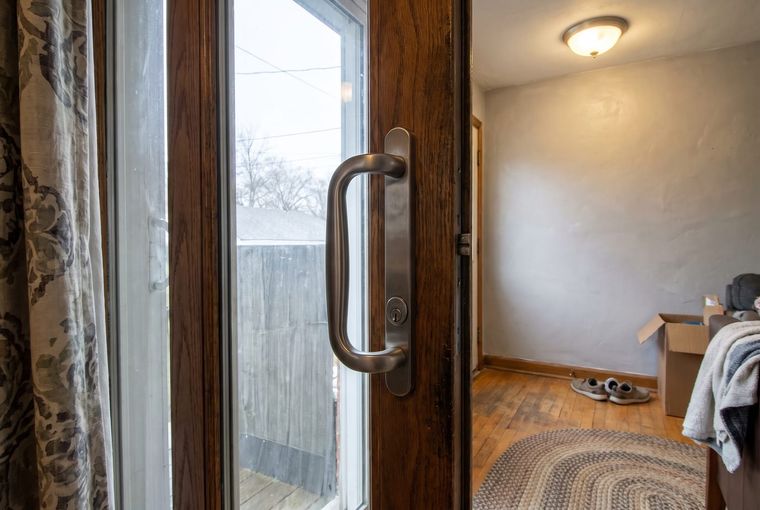
Nobody hands over a list of who holds a key. The last owner, their family, a contractor, a dog walker, a neighbor who watered the plants: any of them may still have one, and so may the copies they made. Rekeying every outside door when you move in settles that question with new pins instead of new locks.
Count every keyed door, not only the front: the back and side doors, the door from an attached garage, and the keyed handle on a sliding patio door, which often takes a small cylinder of its own. On many older Detroit houses the side door to the driveway is the one that gets forgotten.
Rekeying Between Tenants
Landlords and property managers call the shop to change locks between tenants. For a lock that still works well, rekeying is often the quicker choice: the hardware stays on the door, the unit looks the same, and the old tenant’s keys, with any copies made along the way, stop turning.
Some owners keep a spare cylinder for each unit and swap it in at turnover, then have the old one re-pinned for the next change. A lock the last tenant left damaged, or one worn loose in the door, is a replacement rather than a rekey.
Master Keying for Offices and Shops
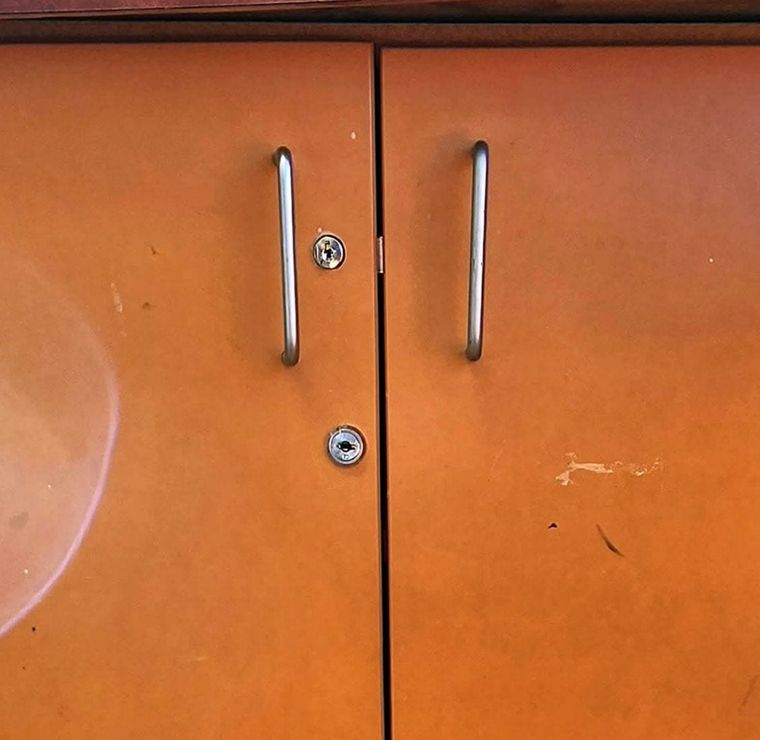
A master key system lets one key open many doors while each tenant or employee key opens only its own. The trick is in the pins: a thin master pin added to a stack gives that cylinder two heights that reach the shear line, one for its own change key and one for the master. The manager’s key opens every office, the key for the back room opens the back room, and the key for suite B opens suite B and nothing else.
The system is planned before a single pin goes in: who opens what, which doors share a level, and where the list of keys is kept. Every added shear point gives a picker or a stray key a little more to work with, so a system worth building usually runs on a restricted keyway whose blanks are hard to come by. Cam locks on cabinets and desks come in many keyways; some can join the doors’ system and others keep small keys of their own.
Springwells Locksmith handles commercial lock changes and master key systems as well as house locks. To talk one through, call (313) 254-3267.